



MC4R
MC4R (melanocortin-4 receptor) is a class A G protein-coupled receptor that functions as a central regulator of appetite, energy expenditure, and body-weight homeostasis within the hypothalamic leptin-melanocortin network[1][2]. Activation of proopiomelanocortin (POMC) neurons promotes release of α-melanocyte-stimulating hormone (α-MSH), which activates MC4R signaling and suppresses food intake while increasing energy expenditure, establishing MC4R as a key effector of energy balance regulation[3][1]. Mechanistically, MC4R integrates neuroendocrine signals controlling satiety and metabolic homeostasis, and disruption of MC4R signaling impairs these regulatory processes[2][4]. Disease relevance is strongly supported by human genetics, as MC4R deficiency represents the most common monogenic cause of obesity, and loss-of-function variants are associated with early-onset severe obesity, hyperphagia, and metabolic abnormalities[4][5][6]. In experimental and clinical studies, MC4R pathway dysfunction has therefore become a widely used model for investigating genetic obesity and energy-homeostasis disorders[2][4]. Compared with the closely related melanocortin receptor MC3R, MC4R exhibits a distinct and non-redundant role in body-weight regulation; studies in knockout models indicate that MC3R and MC4R contribute independently and complementarily to energy homeostasis rather than serving interchangeable functions[7]. For experimental applications, selective MC4R agonists, particularly setmelanotide, have demonstrated the ability to restore signaling in subsets of impaired MC4R variants and induce weight loss in MC4R-deficient obesity, supporting their utility as pharmacological tools and therapeutic candidates for melanocortin-pathway research[8][9][10].
References:
- [1]. Yeo GSH, et al. The melanocortin pathway and energy homeostasis: From discovery to obesity therapy. Mol Metab. 2021;48:101206.
- [2]. Fatima MT, et al. Melanocortin-4 receptor complexity in energy homeostasis,obesity and drug development strategies. Diabetes Obes Metab. 2022 Apr;24(4):583-598. [Content Brief]
- [3]. D'Agostino G, et al. Alpha-melanocyte stimulating hormone: production and degradation. J Mol Med (Berl). 2010 Dec;88(12):1195-201. [Content Brief]
- [4]. Farooqi IS, et al. Clinical spectrum of obesity and mutations in the melanocortin 4 receptor gene. N Engl J Med. 2003 Mar 20;348(12):1085-95. [Content Brief]
- [5]. Sridhar GR, et al. Melanocortin 4 receptor mutation in obesity. World J Exp Med. 2024 Dec 20;14(4):99239. [Content Brief]
- [6]. Giannopoulou EZ, et al. Monogenic obesity due to MC4R deficiency: lessons from a multigenerational case. Mol Cell Pediatr. 2026 Jan 5;13(1):3. [Content Brief]
- [7]. Micioni Di Bonaventura E, et al. The Melanocortin System behind the Dysfunctional Eating Behaviors. Nutrients. 2020 Nov 14;12(11):3502. [Content Brief]
- [8]. Collet TH, et al. Evaluation of a melanocortin-4 receptor (MC4R) agonist (Setmelanotide) in MC4R deficiency. Mol Metab. 2017;6(10):1321-1329.
- [9]. Kühnen P, et al. Melanocortin-4 Receptor Signalling: Importance for Weight Regulation and Obesity Treatment. Trends Mol Med. 2019;25(2):136-148.
- [10]. Sun Y, et al. The effect of melanocortin-4 receptor agonist drugs on obesity and metabolic risk factors: a systematic review and meta-analysis. Diabetol Metab Syndr. 2025 Dec 28;18(1):40. [Content Brief]
-
MC4R Related Products (49)
Related Products (49)

-
α-MSH
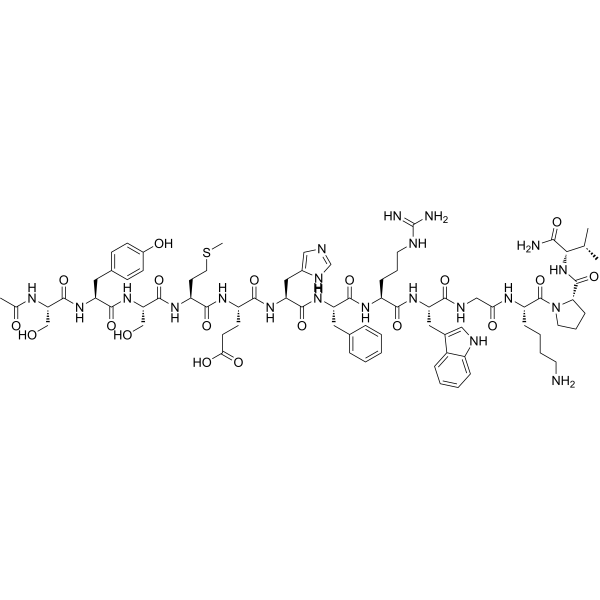 0 Imagesα-MSH (α-Melanocyte-Stimulating Hormone), an endogenous neuropeptide, is an endogenous melanocortin receptor 4 (MC4R) agonist with anti-inflammatory and antipyretic activities. α-MSH is a post-translational derivative of pro-opiomelanocortin (POMC).
-
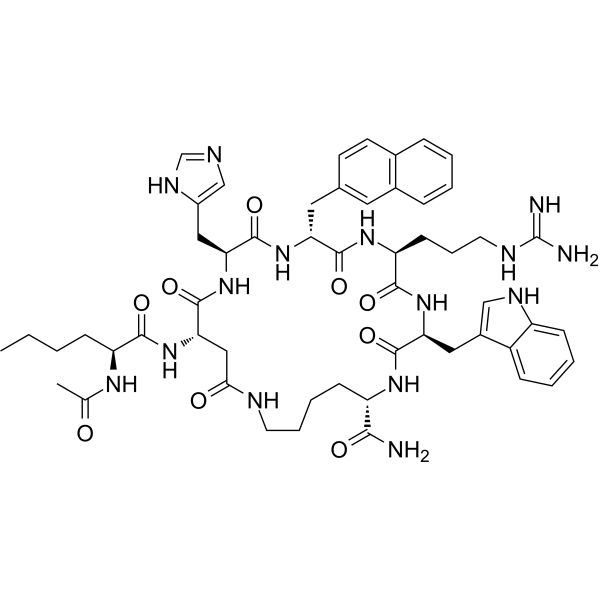
Setmelanotide
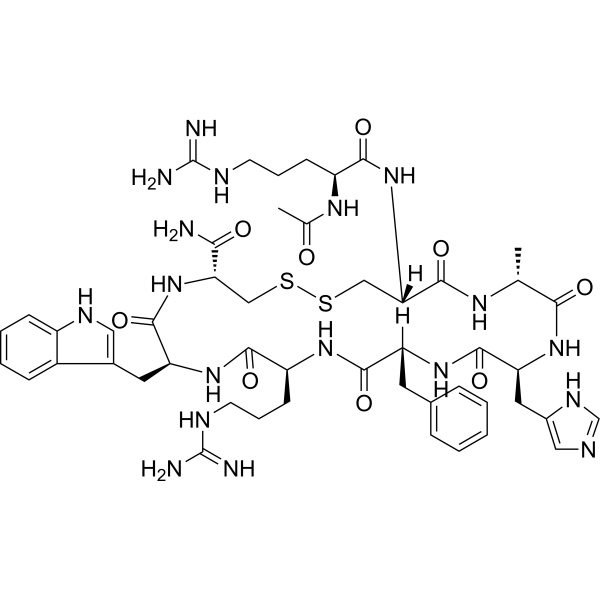 0 ImagesSynonyms: RM-493; BIM-22493; IRC-022493Setmelanotide (RM-493) is a blood-brain barrier-permeable, selective MC4R agonist with a Ki value of 2.1 nM for hMC4R. Setmelanotide activates the CaMKK2/AMPK signaling pathway. Setmelanotide mediates body weight homeostasis, feeding regulation and energy expenditure modulation; it reduces food intake, induces weight loss, decreases obesity severity, increases daytime activity and energy expenditure, lowers levels of leptin, triglycerides, fasting insulin and diastolic blood pressure, improves insulin sensitivity, glucose tolerance and fatty liver condition, and reverses respiratory depression. Setmelanotide is applicable to research related to obesity, hyperinsulinemia, fatty liver and respiratory depression.
-
Melanotan (MT)-II
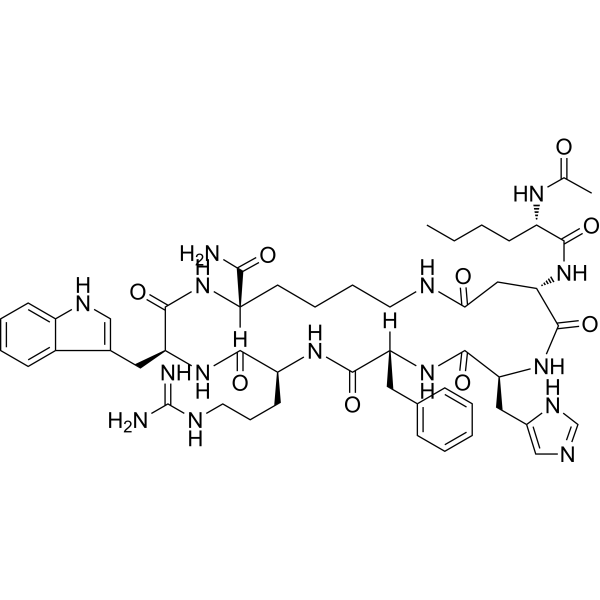 0 ImagesMelanotan (MT)-II is a melanocortin receptor agonist. Melanotan (MT)-II activates melanocortin receptor 3 and melanocortin receptor 4, and stimulates the release of central endogenous oxytocin. Melanotan (MT)-II reverses recognition memory impairment, increased anxiety levels and reduced exploratory tendency in zebrafish exposed to short-term high-fat diet. Melanotan (MT)-II improves impaired social behavior indicators in mouse models of autism spectrum disorder. Melanotan (MT)-II induces weight loss, reduces food intake and exerts anorectic effects. Melanotan (MT)-II increases intracavernous pressure and erectile activity in brown rats. Melanotan (MT)-II can be used in studies related to memory impairment, anxiety, reduced exploratory behavior, autism spectrum disorder, obesity and erectile dysfunction.
-
THIQ
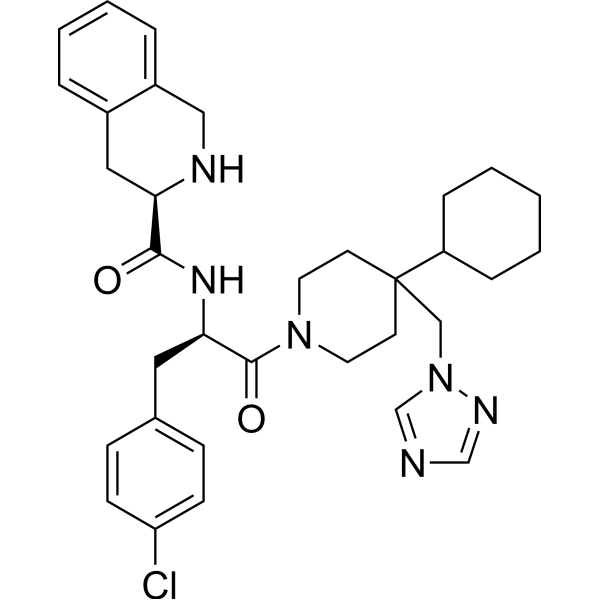 0 ImagesTHIQ is the first selective agonist of the melanocortin-4 receptor (MC4R), with high affinity and potency for hMC4R (IC50=1.2 nM, EC50=2.1 nM) and rMC4R (IC50=0.6 nM, EC50=2.9 nM). THIQ maintains low potency at MC1R, MC3R and MC5R. THIQ plays a role in eliciting erectile activity in rodents. THIQ acts as a pharmacoperone of the MC4R rescuing the cell surface expression and signaling of some intracellularly retained MC4R mutants.
-
LY2112688
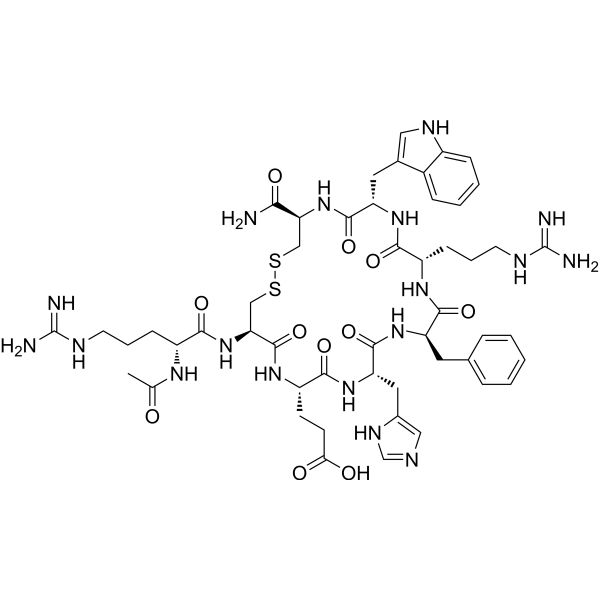 0 ImagesSynonyms: Ac-(d-Arg)-CEH-(d-Phe)-RWC-NH2LY2112688 (Ac-(d-Arg)-CEH-(d-Phe)-RWC-NH2) is a synthetic peptide selective melanocortin 4 receptor (MC4R) agonist with a Ki of 0.13 nM for human MC4R and Ki values of 165, 74, and 1713 nM for human MC1R, MC3R, and MC5R, respectively. LY2112688 activates MC4R-mediated cAMP signaling and promotes PYY and GLP-1 release by activating peripheral MC4R in enteroendocrine L cells; Kir7.1 signaling in MC4R neurons is involved in its sustained suppression of food intake. LY2112688 inhibits food intake in vivo and can elevate heart rate and blood pressure. LY2112688 is useful for research on obesity, energy homeostasis, and MC4R signaling.
-
MC4R antagonist-3
 0 ImagesCat. No.: HY-W559510CAS No.: 746661-28-9
-
Bremelanotide Acetate
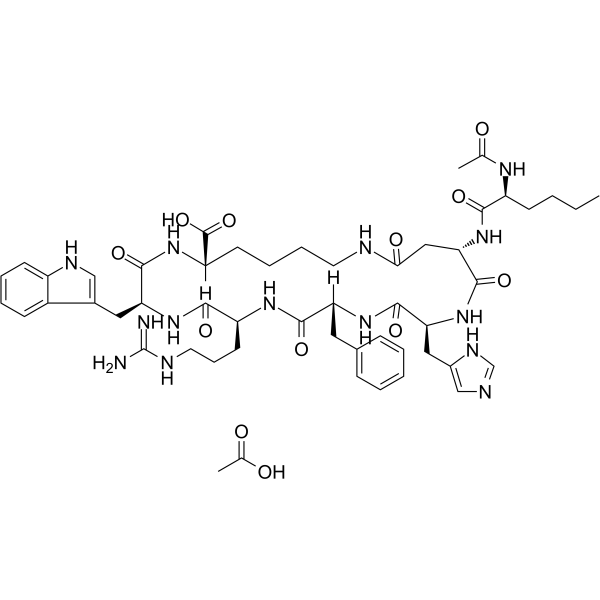 0 ImagesSynonyms: PT-141 AcetateBremelanotide (PT-141) Acetate is a melanocortin receptor agonist. Bremelanotide Acetate can activate MC4R and increases dopamine release. Bremelanotide Acetate induces appetitive sexual behaviors, female mounting behavior, and repetitive self-grooming. Bremelanotide Acetate can be used for the research of hypoactive sexual desire disorders.
-
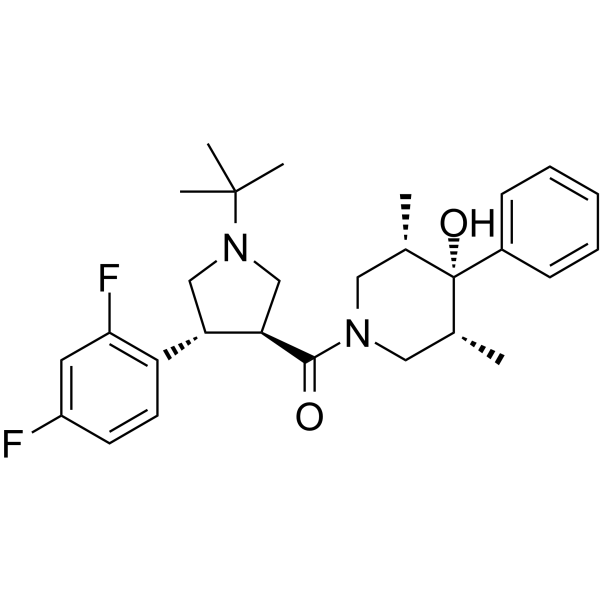
Bivamelagon
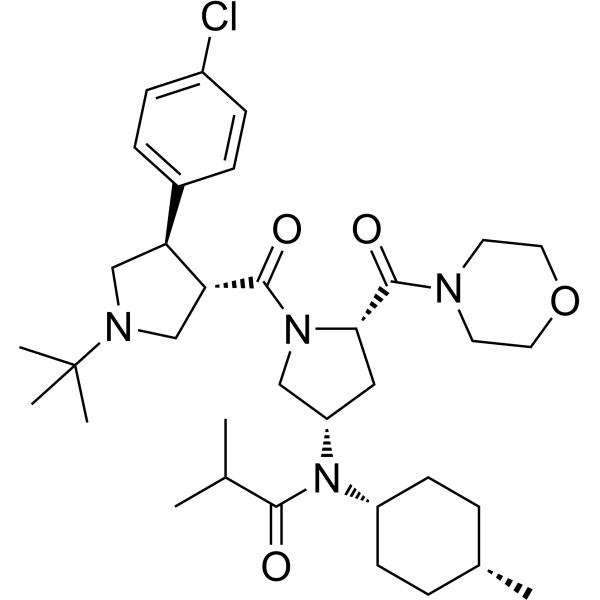 0 ImagesSynonyms: MC-4R Agonist 2
-
Nonapeptide-1 acetate salt
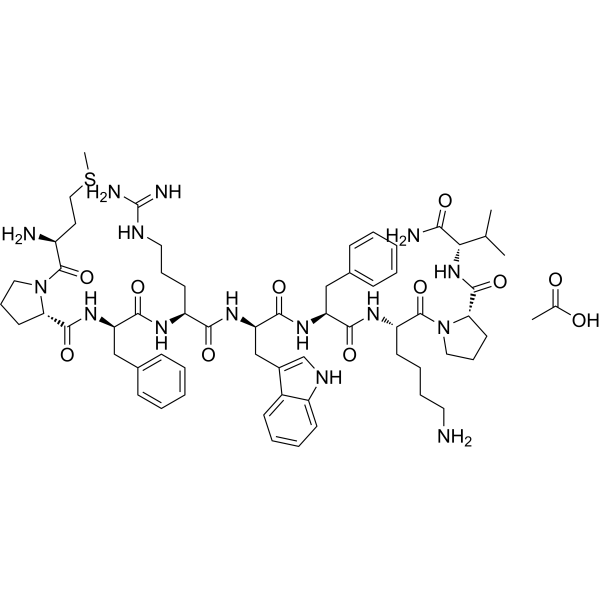 0 ImagesCat. No.: HY-P0097ASynonyms: Melanostatine-5 acetate saltNonapeptide-1 (Melanostatine-5) acetate salt, a peptide hormone, is a selective antagonist of MC1R (Ki: 40 nM). Nonapeptide-1 acetate salt is a competitive α-MSH antagonist that potently inhibits intracellular cAMP and melanosome dispersion induced by α-MSH in melanocytes (IC50: 2.5 nM and 11 nM, respectively). Nonapeptide-1 acetate salt inhibits melanin synthesis, and can be used in the research of skin pigmentation and regulation of steroid production in the adrenal gland, skin cancer.
-
α-MSH TFA
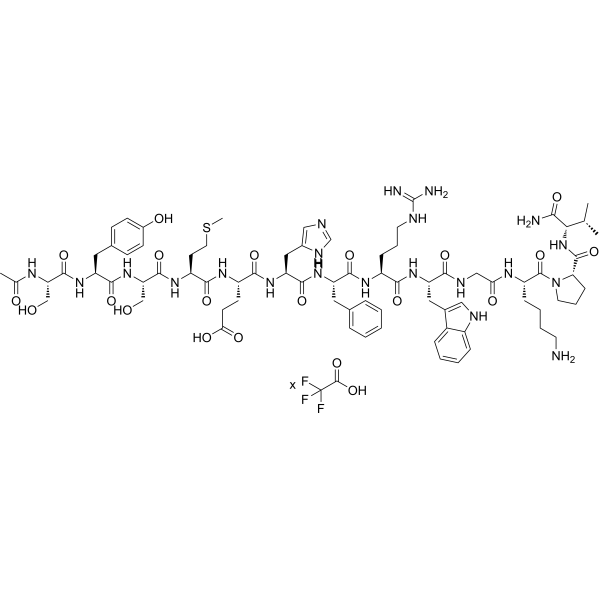 0 ImagesSynonyms: α-Melanocyte-Stimulating Hormone TFAα-MSH (α-Melanocyte-Stimulating Hormone) TFA, an endogenous neuropeptide, is an endogenous melanocortin receptor 4 (MC4R) agonist with anti-inflammatory and antipyretic activities. α-MSH TFA is a post-translational derivative of pro-opiomelanocortin (POMC).
-
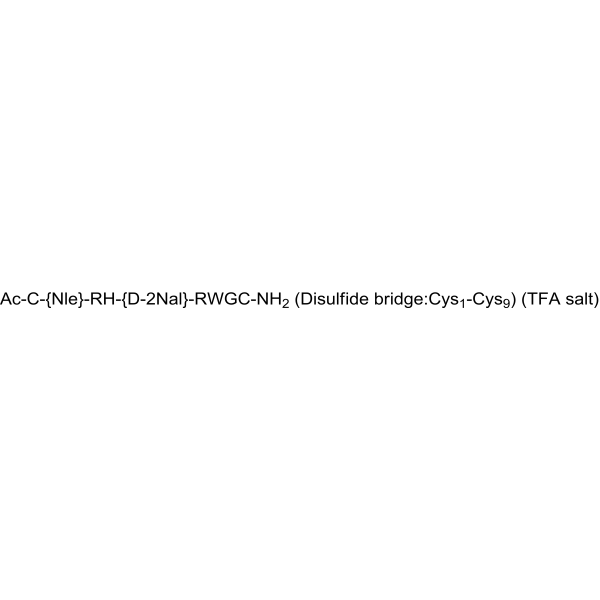
Bremelanotide
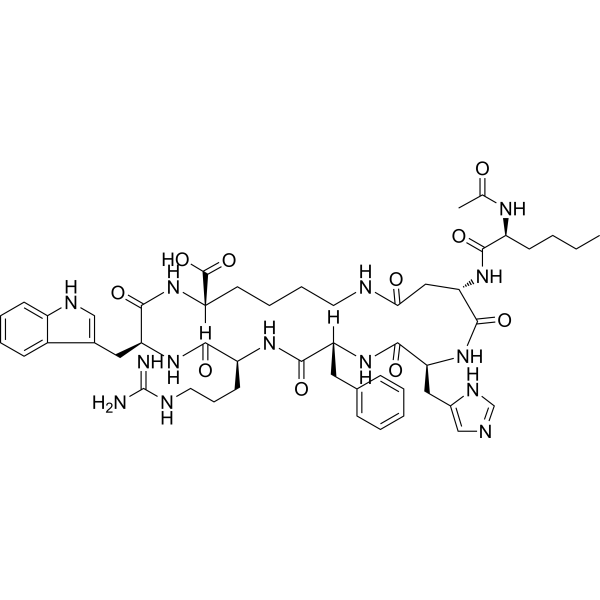 0 ImagesSynonyms: PT-141Bremelanotide (PT-141) is a melanocortin receptor agonist. Bremelanotide can activate MC4R and increases dopamine release. Bremelanotide induces appetitive sexual behaviors, female mounting behavior, and repetitive self-grooming. Bremelanotide can be used for the research of hypoactive sexual desire disorders.
-
Tetracosactide
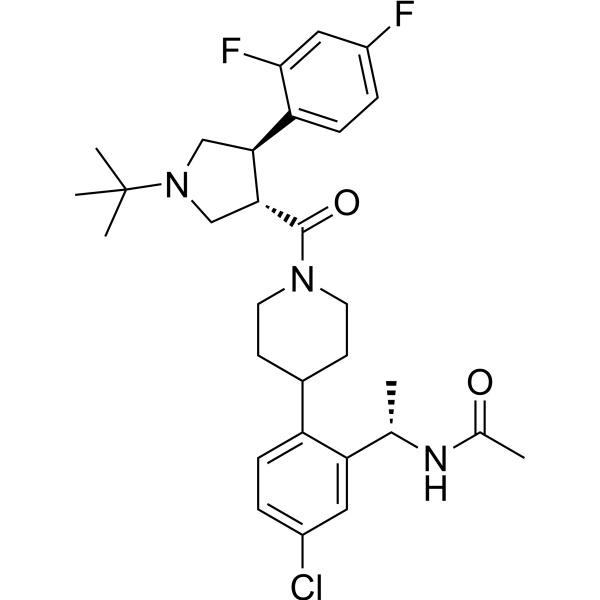
 0 ImagesSynonyms: Tetracosactrin; ACTH(1–24)Tetracosactide (Tetracosactrin) is an analogue of adrenocorticotrophic hormone (ACTH). Tetracosactide is the agonist for melanocortin-4 receptor (MC4R) that activates human MC4R with an EC50 of 0.65 nM. Tetracosactide can stimulate the release of corticosteroids such as cortisol from the adrenal gland. Tetracosactide is currently used for the research of ulcerative colitis and Crohn's disease, juvenile/adult rheumatoid arthritis and osteoarthrosis.
-
SNT-207858 free base
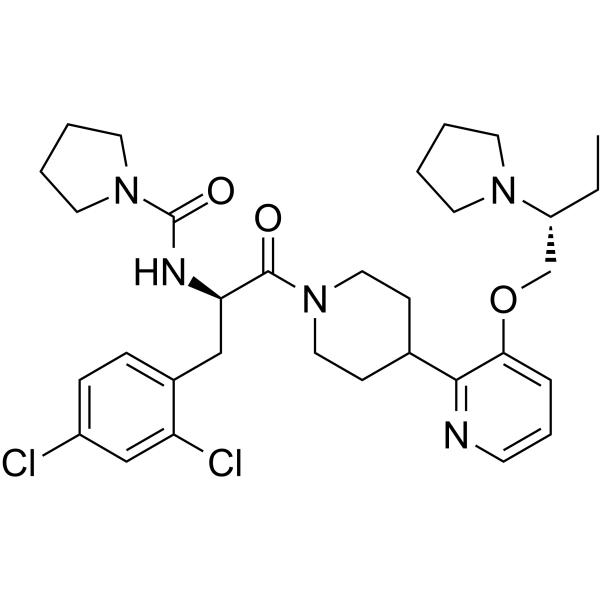 0 ImagesSNT207858 free base is a selective, blood brain barrier penetrating, potent and orally active melanocortin-4 (MC-4) receptor antagonist. SNT207858 free base has an IC50 of 22 nM (binding) and 11 nM (function) on the MC-4 receptor.
-
ML-00253764 hydrochloride
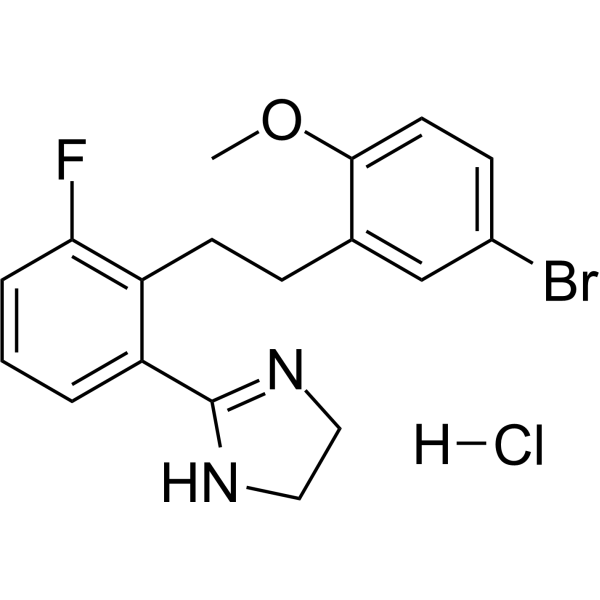 0 ImagesML-00253764 hydrochloride is a brain penetrant nonpeptidic melanocortin receptor 4 (MC4R) antagonist with a Ki and IC50 of 0.16 μM and 0.103 μM, respectively. ML-00253764 can cross blood-brain barrier.
-
β-Melanocyte Stimulating Hormone (MSH), human
 0 ImagesSynonyms: Beta-MSH (1-22) (human)β-Melanocyte Stimulating Hormone (MSH), human, a 22-residue peptide, acts as an endogenous melanocortin-4 receptor (MC4-R) agonist.



